





Encounters
Encuentros: Dani López
Press


0 results

Type

Dimension
Encounters
Press
Encounters
Press
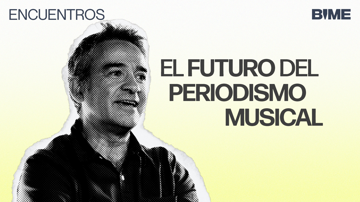
In this third Encounters episode, Dani López, partner and Commercial Director at Mondo Sonoro, shares an optimistic perspective on the future of music journalism — as long as media outlets are willing to adapt, diversify and embrace change. While digitalisation and AI pose new challenges, they also open doors for innovation and expansion. López makes a case for the continued relevance of print, especially when combined with other formats like video, podcasts, urban marketing, and live events. Magazines like Mondo Sonoro and Ruta 66 are still going strong, while others — such as Spin and Rockdelux — are making their return to physical publishing after years of absence. He also highlights a growing trend among young people: the search for offline reading spaces where mobile phones are not allowed, reflecting a desire to disconnect and experience content differently. López sees this as a potential turning point — proof that music media can still thrive by staying creative, flexible and closely connected to their audiences.
Encounters
Press
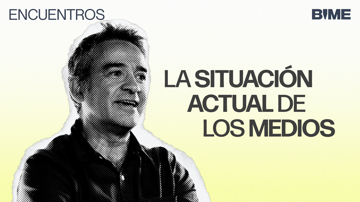
In this second part of Encounters, Dani López, partner and Commercial Director of Mondo Sonoro, continues his reflections on the role of music media in the current digital ecosystem. While platforms like Spotify and YouTube brought initial excitement and possibilities, López highlights how certain shifts in promotion and consumption have challenged the work of music critics and media sustainability. Today, editorial teams often no longer receive advance access to new albums, which forces them to write reviews hastily and immediately. This limits the ability to listen carefully and analyse music with the depth it deserves. Meanwhile, an overwhelming number of releases and constant pressure from PR agencies, managers and labels make it harder to maintain strong editorial curation. In this climate, Dani stresses how many companies have stopped supporting media financially, even as they continue to seek exposure. For free outlets like Mondo Sonoro, which depend solely on advertising revenue, this puts them in a vulnerable position. Yet, he reaffirms the importance of editorial independence — pointing out that they still regularly feature artists who’ve never paid for coverage, proof that integrity is still possible even under pressure.
Encounters
Press
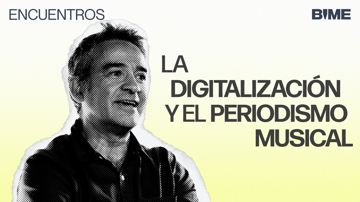
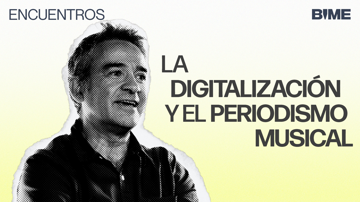
In this episode of Encounters, Dani López, partner and Commercial Director at Mondo Sonoro, shares his perspective on how digitalisation has transformed the music media landscape in recent decades. From his position leading the business area of one of the most influential Spanish-language publications, López reflects on the impact of the internet, social media, and new communication channels on the relationship between media outlets, audiences, and advertisers. Recalling the magazine’s early days in 1994 and the arrival of the internet just a year later, López highlights how launching a website became a major boost for a free medium like Mondo Sonoro, creating new revenue streams and enabling growth. Years later, the rise of social media brought yet another turning point: at first a chance to experiment and innovate, but eventually a crowded and difficult space to monetise. “What began as an ally has become a monster that devours everything,” he states. Today, competition for attention is fiercer than ever. Artists, promoters and record labels — once traditional advertisers — now have direct channels and loyal communities. “Now any user is a media outlet,” Dani says. This fragmentation of audiences challenges specialised media to constantly rethink their added value and ability to adapt in an ever-changing digital environment.
Loading...