Loading...

close

file_copyClone

close
formularioHidden
formularioRDF
Thank you! Your submission has been received!
Oops! Something went wrong while submitting the form.
person
person
  • BIME Bilbao
  • BIME Bogotá
  • News
  • Content
  • Networking
  • Info

Pro

  • Speakers
  • Campus
  • Start up!
  • Pitches
  • Musical supervision
  • Workshops
  • Networking
  • AUPA! awards

Live

  • Artists
  • Announcements
  • BIME Sessions

TICKETS

Bilbao BIME Agenda

  • Partners
  • App
  • Accomodation

Pro

  • Speakers
  • Start up!
  • Music and trademarks
  • Music Equality Forum
  • Musical supervision
  • Workshops
  • Networking

Live

  • Parallel activities
  • BIME Sessions
  • Announcements

TICKETS

Bogotá BIME Agenda

  • Partners
  • Discounts on accommodation
  • Plataforma

News

News

Call

Press release

Content

Talks

Dialogues

MasterClass

Map

Join the map

BIME Metaverse

Info

  • What is BIME?
  • Plattform
  • Sustainability
  • Previous BIME editions
  • Red de Delegadxs
  • BIME-Bogotá Startups
  • Press
  • FAQ
  • Contact
BIME Bilbao

Pro

  • Speakers
  • Campus
  • Start up!
  • Pitches
  • Musical supervision
  • Workshops
  • Networking
  • AUPA! awards

Live

  • Artists
  • Announcements
  • BIME Sessions

TICKETS

BIME Schedule

  • Partners
  • App
  • Accomodation
}
BIME Bogotá

Pro

  • Speakers
  • Start up!
  • Music and trademarks
  • Music Equality Forum
  • Musical supervision
  • Workshops
  • Networking

Live

  • Parallel activities
  • BIME Sessions
  • Announcements

TICKETS

BIME Schedule

  • Partners
  • Discounts on accommodation
  • Plataforma
}
News

News

News

Call

Press release

}
Content

Content

Talks

Dialogues

MasterClass

}
Networking

Map

Join the map

BIME Metaverse

}
Info

Info

  • What is BIME?
  • Plattform
  • Sustainability
  • Previous BIME editions
  • Red de Delegadxs
  • BIME-Bogotá Startups
  • Press
  • FAQ
  • Contact
}

©  BIME, 2026

Terms of access and use Privacy policy Cookies policy
EU ES EN
NEWSLETTER
TICKETS
Thank you! Your submission has been received!
Oops! Something went wrong while submitting the form.
  • ALL

  • News

  • Content

  • Map

  • Schedule

menu
BIME
close

Navegación

  • BIME Bilbao

  • BIME Bogotá

  • News

    • News

      • News

      • Call

      • Press release

  • Content

    • Content

      • Talks

      • Dialogues

      • MasterClass

  • Networking

  • Info

  • ALL

  • News

  • Content

  • Map

  • Schedule

  • Convocatorias

  • CMS

  • Cursos

  • Sign up

  • Cursos

  • Calendario

  • Recomendaciones

  • Newsletter

  • Tickets

  • Join the Map

0 results

Type

  • Video (151)
  • Video series (3)

Dimension

  • Music industry (154)
Industria musical
Date descending
Date descending Date ascending
Filters
  • 154

    Dialogues

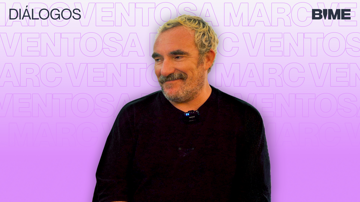
    Diálogos: Marc Ventosa

    In this episode of Diálogos, we speak with Marc Ventosa, Head of Booking at Last Tour, about how the lineup for a major festival like BBK Live is built and what role a booker plays in shaping today’s music industry. With nearly a decade of experience at the company, Ventosa offers a clear and honest perspective on the creative, strategic, and logistical decisions that make a music event successful. The conversation covers key topics such as the importance of having instinct and vision to spot talent, the growing competition to book artists early, the role of festivals in contrast to stadium mega-shows, and the need to craft a meaningful experience beyond just big headliners. A must-listen discussion to understand how artistic ambition and festival sustainability are balanced in a rapidly evolving industry, where more than ever, the true headliner is the festival itself. 
    Encounters

    Encuentros: Juanto Tello

    Recorded music

    Encounters

    Encuentros: Raquel García

    Live music

    Encounters

    Encuentros: Paula Ráez

    Live music

    Encounters

    Encuentros: Paula Raez (Part 3)

    Live music

    Sustainability in festivals can no longer be reduced to aesthetics or good intentions. In this conversation, Paula Raez —an expert in cultural-sector sustainability— challenges symbolic gestures and advocates for a technical, professional, and structural approach to meaningful change. Sustainability, she argues, cannot be improvised: it must be designed with precision, managed with expertise, and evaluated with integrity.  Far from being an optional extra, implementing sustainable practices requires specialized teams, real impact measurement, and a deep transformation of production models. As European regulations tighten around practices like greenwashing, pinkwashing, and impactwashing, cultural events are being called upon to show real accountability — backing their commitments with data, methodology, and tangible outcomes.  Moving toward truly sustainable festivals demands a shift in mindset — one that goes beyond surface-level solutions and embraces ongoing, thoughtful improvement. This episode offers a clear and grounded perspective on how sustainability can become a transformative tool, capable of driving positive impact without compromising creativity or feasibility. 

    Encounters

    Encuentros: Paula Raez (Part 2)

    Live music

    The sustainable transformation of music festivals is no longer just about good intentions. In this conversation, Paula Raez explores how both public and private funding criteria are shifting to support more responsible cultural practices. Increasingly, institutional grants and corporate sponsorships are tied to concrete commitments in environmental, social, and governance areas.  With the rollout of new European directives and national legislation —including Spain’s waste management and gender equality laws— festivals now face both the challenge and the opportunity of adapting to a rapidly changing regulatory landscape. Sustainability must be embedded from the earliest stages of event planning. It’s no longer just an ethical matter — it's a strategic necessity. Projects that fail to embrace these principles risk being excluded from future funding opportunities.  This episode offers a roadmap to understanding how sustainability is becoming a key criterion in the new cultural ecosystem. A vital reflection for promoters, managers, and cultural agents who want to ensure the long-term viability of their projects in an environment where responsibility, innovation, and funding are increasingly interconnected. 

    A conversation with...

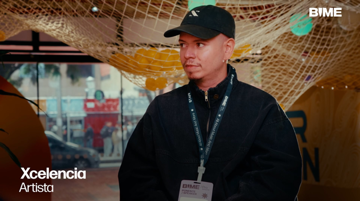
    Xcelencia en BIME Bogotá 2024

    Recorded music

    n esta conversación se plantea una pregunta clave para el momento actual de la industria musical: ¿qué significa concebir un álbum en la era de las nuevas tecnologías? Para abordar este interrogante, se invita a Gabriel Excelencia, artista que acaba de lanzar un proyecto innovador titulado El Niño Estrella. La propuesta se centra en el concepto de “álbum dinámico”, un formato que se aleja de la lógica tradicional del disco como producto estático y cerrado. La trayectoria de Gabriel se caracteriza por la búsqueda constante de formatos alternativos para lanzar su música, especialmente dentro del entorno de la Web3 y otras tecnologías emergentes. En lugar de seguir el ciclo estándar de promoción previa y lanzamiento digital convencional, ha optado por explorar maneras más vivas, interactivas y sostenibles de distribuir su trabajo. Este enfoque le ha permitido mantener una mayor conexión creativa con su proyecto y con sus audiencias. Aunque el resultado final sigue siendo un álbum en su sentido más musical, lo innovador está en el modo de producción, distribución y evolución del contenido. A través de este formato dinámico, el álbum no se presenta como un producto cerrado sino como una experiencia en proceso, abierta a transformaciones, colaboraciones y nuevas formas de circulación. Esta propuesta redefine el vínculo entre artista y público, abriendo caminos para repensar el álbum como obra expandida en la era digital.

    A conversation with...

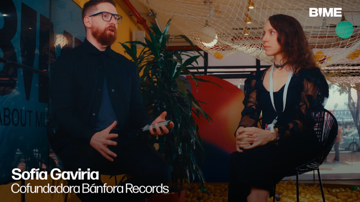
    Sofía Gaviria en BIME Bogotá

    Creation and musical performance

    La conversación parte de una inquietud compartida por muchos sellos independientes: cómo establecer nuevas formas de diálogo con las audiencias a través de formatos innovadores. En este caso, se analiza la experiencia de Banfóra Records, un sello ubicado en Bogotá que comenzó enfocado en músicas tradicionales y folclóricas, con un fuerte apego al formato físico, especialmente el vinilo. Su evolución parte de una reflexión crítica sobre los modelos actuales de monetización en la música digital. Desde su fundación, Banfóra Records ha enfrentado el reto de sostener económicamente sus producciones, que requieren una inversión significativa pero no logran un retorno adecuado en plataformas de streaming. Esta disyuntiva les llevó a explorar caminos alternativos para garantizar sostenibilidad tanto para el sello como para los artistas. En ese proceso, surge el interés por los formatos digitales descentralizados, y particularmente por los NFTs, como una vía para otorgar propiedad real sobre activos digitales musicales. El enfoque adoptado combina investigación académica y experimentación práctica desde el sello. A través de esta línea de trabajo, identificaron que los NFTs permiten generar nuevas dinámicas de circulación y monetización de contenidos, creando oportunidades más equitativas para artistas independientes. Este giro hacia la tecnología representa un intento consciente de resignificar el valor de la música digital en un entorno donde los esquemas tradicionales ya no garantizan sostenibilidad.

    A conversation with...

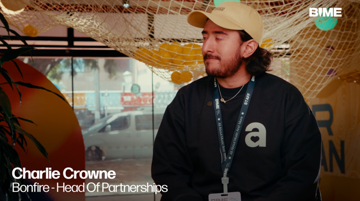
    Charlie Crowne en BIME Bogotá

    During a talk held as part of BIME Bogotá, Nicolás interviews Charlie Crowne, who is experimenting with subscription models in the music industry. The conversation begins with a reflection on how subscriptions can transform the way artists connect with their audiences. The speakers highlight that traditional membership models don’t always align with the real needs of musicians, who often work in cycles or seasons that don’t necessarily match long-term commitments. A flexible approach is proposed, inspired by models from other sectors such as video games or sports, where memberships are activated during specific seasons. This allows artists to launch subscriptions tied to key moments—like the release of an album or a tour—offering concrete and personalized benefits depending on the campaign. This format better reflects the changing reality of artistic life, enabling sustainable income without the pressure of maintaining a permanent model. The conversation also emphasizes the importance of identifying and nurturing “superfans”—those followers who seek a closer and deeper connection with the artist. These fans are willing to pay for exclusive experiences, early access to content or merchandise, and a stronger emotional bond with the musical project. Compared to dominant platforms like Spotify, Instagram, or TikTok—which often limit direct interaction—seasonal subscription models offer a more human, personalized, and profitable alternative for independent or emerging artists.

    A conversation with...

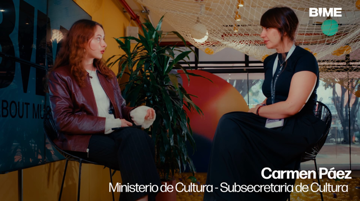
    Carmen Paez en Bime Bogotá 2024

    Music industry services

    The impact of generative Artificial Intelligence on the music industry is sparking a profound debate about its role and implications. On one hand, generative AI is emerging as a powerful tool that can expand the creative possibilities for musicians. Artists can use AI for inspiration, to sketch song ideas, or even to produce complete compositions. Carmen Páez, Undersecretary of Culture for the Government of Spain, explains:“AI is yet another technological revolution. It’s a reality we are already living in. It’s here. Ultimately, it’s a tool that serves creators and helps them express themselves.” However, AI’s ability to generate music that mimics specific styles and genres raises questions about copyright and originality.Who owns a piece created by AI? How can we protect the rights of artists whose works have been used to train these algorithms? These questions lie at the heart of the debate over how to regulate AI in the music industry. In this context, legislation plays a key role. Figures like Carmen advocate for regulation that focuses not only on the technologies themselves, but on how they affect society and creative processes. “We are not regulating the technologies; we are regulating how technology impacts society and creative processes. Our goal is to protect citizens.” The principle of transparency—which requires disclosing the works used to train AI and stating when a piece has been created by AI—is a measure aimed at protecting both creators and consumers. This transparency is essential to maintain public trust and to ensure that artists receive proper recognition and compensation for their contributions. In conclusion, Carmen Páez argues that a proper regulatory framework is needed—one that balances innovation with the protection of creators' rights. International collaboration and consensus on regulations will be key to ensuring that AI is used ethically and for the benefit of all stakeholders. Thus, the challenge lies in integrating AI in a way that enhances creativity without compromising artistic integrity and intellectual property rights.

    Loading...

    Loading...

    Log in or register

    close

    Wrong password or user, try again.

    Se ha producido un error en el servicio de autenticación.

    El usuario ya está logueado desde otro navegador. Desconéctese de los otros navegadores o espere a que termine la sesión automáticamente ( minutos desde el último acceso).

    I forgot my password

    If you don't have an account yet Join community

    search
    close

    person_addAsignar miembro al grupo

    close
    Cancel Accept

    BIME Bilbao

    Pro Live Partners App Accomodation

    BIME Bogotá

    Pro Live Partners Discounts on accommodation Plataforma

    News

    News Call Press release

    Content

    Talks Dialogues MasterClass

    Networking

    Map Join the map BIME Metaverse

    Info

    What is BIME? Plattform Sustainability Previous BIME editions Red de Delegadxs BIME-Bogotá Startups Press FAQ Contact
    MFA Accessibility Certification seal

    Proyecto 1035-685413/161/2021-02 financiado por:

    Next Generation EU INAEM - Instituto Nacional de las Artes Escénicas y de la Música Plan de Recuperación, Transformación y Resiliencia

    Proyecto 1035-685413/161/2021-02 financiado por:

    Ministerio de Cultura

    ©  BIME, 2026

    Powered by

    Terms of access and use Privacy policy Cookies policy
    EU ES EN